At Convergent, we approach fundraising by positioning your nonprofit as a valuable community asset worthy of investment. That’s why we prefer using the term “investors” instead of “donors,” shifting the focus from one-time gifts to sustainable funding.
Visitor-focused nonprofits such as zoos, museums, and aquariums face the unique challenge of balancing high overhead with fluctuating attendance. Revenue from admission tickets and the occasional gift is helpful, but relying on it isn’t a sustainable strategy.
To achieve sustainability for your nonprofit, you must aim to move your supporters from “transactional donors” to “transformational investors.” In this article, we’ll take a closer look at the various ways you can build long-term sustainability for your mission.
.png)
Define your investable outcomes
Sustainability is more than just building a cash reserve—it’s also the ability to maintain and scale impact despite economic volatility. One way to achieve this is by reframing your nonprofit’s initiatives as “investable outcomes.”
For example, let’s say your museum is planning to launch a new exhibit for elementary kids and needs to raise $25,000. When soliciting donations, highlight how the exhibit can help children: perhaps it encourages them to read more, thereby boosting the community's literacy rate and helping students attain higher grades. It’s much easier for potential investors to buy into these outcomes rather than just a new exhibit.
Remember that when you show your investors the value you create for the community, they don’t just give one time—they’ll come back and support your other programs to invest in a brighter future.
Shift your mindset from service provider to community asset
In addition to defining your investable outcomes, shift your nonprofit’s messaging so that your community starts thinking of your organization as a “must-have” community pillar, rather than a “nice-to-have” weekend destination. In particular, this strategy is great if you want to attract Gen Z and young millennial investors, as they respond well to organizations that spotlight the people and communities they’ve helped.
If you take a look at other valuable organizations in your community, you’ll likely see that they either deliver educational ROI or make an economic contribution to the neighborhood. You’ll do the same thing for your nonprofit: show that you can solve broader issues in your community. For example, if you run a zoo, clearly articulate the impact of your ongoing conservation programs (e.g., how many endangered animals you’ve housed and how they are faring now). Reframing your initiatives like this establishes your organization as an irreplaceable community asset worthy of support.
Prioritize strategic alignment
Strategic alignment ensures that every part of your organization—from its mission and long-term goals to its daily operations—is moving in the right direction. It also means that your organization and its investors should be on the same page to avoid investor churn.
To prioritize strategic alignment, you must:
- Make sure the experience matches your mission. Ensure that what the visitor sees matches what you are asking them to fund. For example, if you’re fundraising for a conservation program, don’t just display the animal—show your supporters how your team is saving that species. Explain in a report, brochure, or email newsletter the actual work you’re doing, the impact of the contributions you have so far, and your goals for the future.
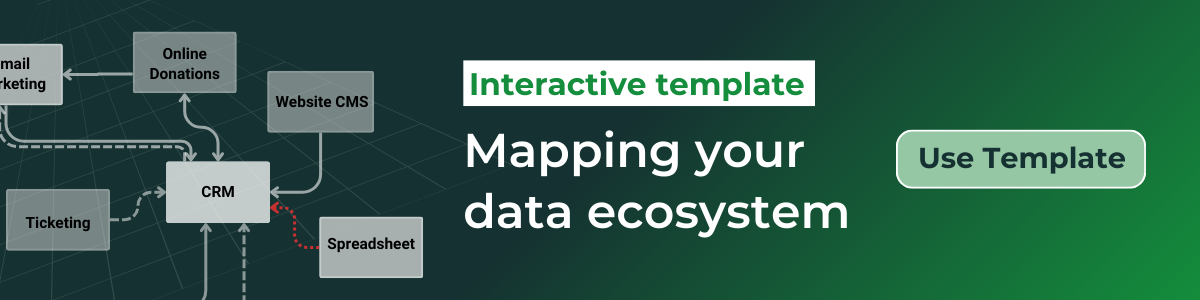
- Connect data silos. Strategic alignment is hard to achieve if your organization’s various departments aren’t talking to each other. That’s why it’s crucial that you integrate your point-of-sale, ticketing, CRM, and other tools.
- Run your future programs through a strategic alignment filter. To decide what program or fundraising event you host next, ask yourself: Does this advance your organization’s core purpose? Do your visitors and investors actually want this? Can you clearly articulate how it will serve the community?
A great way to achieve strategic alignment is by conducting a feasibility study. Convergent’s guide to feasibility studies explains the many benefits of this process, including uncovering key insights about your organization, your investors, and the community at large, and determining whether you’re in a good position to launch a major capital campaign.
Leverage tangible value to deepen partnerships
Impact stories are great, but they become even better when you provide evidence to back them up. For that reason, establish key metrics that you’ll use to track the progress of your programs.
Here are the most important metrics to track:
- Total amount of donations received indicates the level of financial support you’re getting from your investors.
- Average gift size provides insight into your investors’ giving behavior, helping you adjust future fundraising strategies accordingly.
- Retention rates are important for maintaining long-term relationships with your supporters.
When you track these metrics, you can provide a more transparent and accurate ROI report to your stakeholders, strengthening their trust in your organization and deepening your relationships with them.
Diversify revenue via mission-centric innovation
Having a wide range of revenue sources makes it easier for nonprofits to adapt to changing financial circumstances. Infinite Giving lists many revenue sources nonprofits can leverage, including:
- Stocks
- Endowments
- Corporate sponsorships
Remember that your chosen funding sources should align with your nonprofit’s mission and goals. For instance, if you run a museum focused on a specific time period, you can offer consulting services to researchers or showrunners producing a film or show set in that period. On the other hand, a zoo can host exclusive educational content on animal care or wildlife photography that will entice interested parties to sign up.
These revenue streams should be flexible, so if you find that one isn’t working for you, you can simply replace it with another. What’s most important is that you develop a comprehensive revenue strategy that leads you to sustainability.
To achieve sustainability for your nonprofit, you must transition from a fundraising-first mentality to a value strategy. Your donors aren’t just there for your transactions—they’re there to invest in your organization’s vision for a better tomorrow.
If you’re not sure about the status of your nonprofit, consider getting a development audit and assessment done to diagnose any fundraising gaps you have, align your staff and board expectations, and build a stronger case for investment.