
1. Cultivation is crucial
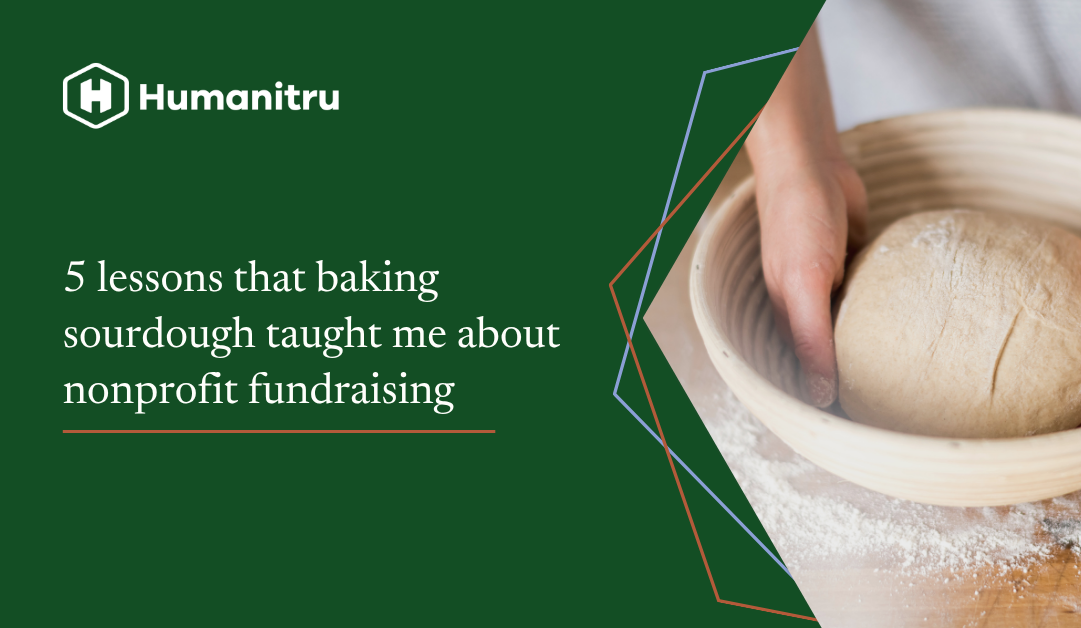
From the very beginning, sourdough takes cultivation. To grow a healthy starter, a baker must follow a specific schedule of feeding and discarding until the starter is mature enough to use. After the starter is mature, it requires consistent feeding to stay strong. Without a healthy and mature starter, you can’t bake.
Similarly, nonprofit organizations each have a core passion at their root that needs to be fed and maintained. Keeping your organization focused on the key aspects of your mission and values feeds your team. Similarly, learning when to discard things that no longer serve the core passion of your organization will help keep your team (and organization!) healthy for the long run.
When it comes to fundraising, it can be tempting to jump right into asking for a donation, but building a real relationship with supporters and donors requires similar discipline. By "feeding" their passion for your mission over time, you'll prepare them for the donation ask and lay the groundwork for long-term loyalty that will keep them engaged for years to come.
2. Prioritize patience and consistency
Growing a healthy starter takes time (usually about 7-14 days). Once you have a healthy starter, the entire process of baking can take over 24 hours (from feeding the starter to letting the bread ferment to the rise time and then baking). Nonprofit relationships are no different. Whether you’re connecting with new supporters, finding time to meet with long-time donors or gathering information for grants, the process can often take more time than we’d like. You can't rush sourdough, or relationships, without risking the outcome falling flat.
Others may differ, but I feed my starter at least once a week using the same flour and the same filtered water every time. This consistency keeps my starter strong. Building connections with your organization’s supporters is no different; showing consistency builds trust. Your supporters likely interact with your organization in multiple ways - they might visit an exhibit, interact with digital marketing materials, attend events, become members or make donations, or even volunteer - and no matter which team handles that interaction, the supporters should receive a consistent, cohesive experience.
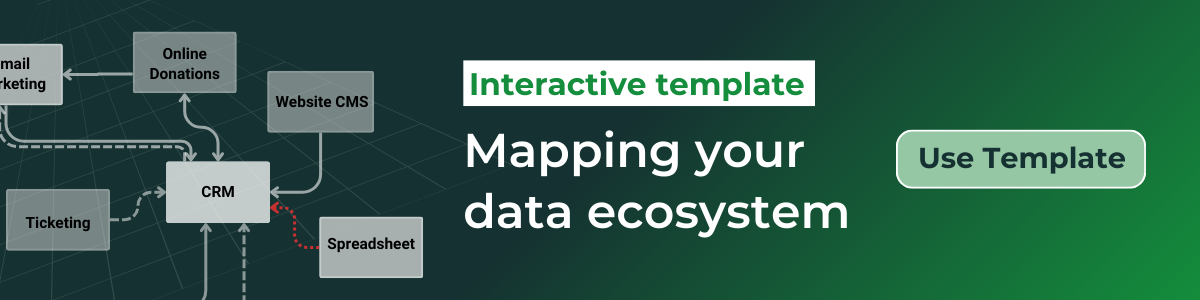
Data silos often lead to disjointed supporter experiences, when each team is working from different, incomplete information. If you think that siloed data might be damaging your consistency, I recommend starting with a data audit!
3. Create community
The Facebook group I found when I first started my sourdough journey was a life saver! I learned so much from the questions, successes and failures of my community in that group. As you’re working to build relationships with supporters for the purpose of your mission, find your community. From local groups that meet in person to social media based communities, there are so many ways to connect with others doing similar work. Connect with as many people as you can and take the time to listen and learn as well as to share and collaborate. I’m a firm believer that we all grow and learn better in community!
When it comes to your supporters, find ways to help them feel a sense of belonging within your organization's community. Things like donor appreciation events, giving societies, and public acknowledgements can all help donors feel that they are part of a bigger picture, working together with your team and other community supporters.
4. Connect to a passion
If you’ve checked out any sourdough groups, you’re likely to notice the passion almost immediately. From elaborate bread designs and flavors to items proclaiming a love for sourdough, there’s a love that runs deep. As you build relationships with your supporters, do you look for those with passion for your mission? How do you connect with that passion and support others to fuel it for the greater good?
Understanding your supporters' passions is the first step - to fuel that flame, put that information to work with personalized outreach. If you know that certain supporters feel strongly about specific parts of your work, make sure to keep them in the loop with the latest developments and opportunities to support in that area.
5. Embrace continual learning
In addition to my online community, I regularly learn new things about sourdough simply through the practice of baking. I might adjust the hydration to see how that affects the texture or add a little extra whole wheat flour in an attempt to increase the fiber. Some of those changes have become a standard part of my weekly bread recipe while others have failed to impress. There are always new recipes to try and adjustments to explore so I’m never done learning.
I’m over twenty years into a career working for and with nonprofit organizations and I’m not done learning there either. Finding ways to authentically connect with supporters and strategically build lasting relationships requires us to ask lots of questions, remain open to new ways of doing things and to explore ideas to see how they resonate with our organization and mission. As technology evolves, while the principles at the core of our work remain the same, the methods and channels that we use improve and change over time.
I’m sure some of you bake sourdough and do things differently than I do. Our experiences will always have differences, but at the end of the process, we both have sourdough bread. Life in fundraising varies too. Your relationships and daily work may differ from others in the industry, and that’s okay. Building strong relationships with supporters isn’t a one size fits all recipe. It’s a process guided by your mission, your values and your people.